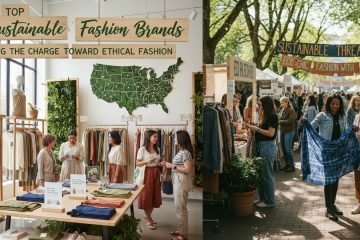

The concept of sustainability is changing the fashion industry, with more and more customers demanding beyond style and fashion; they want to see responsible and ethical practices by the brands they are supporting. Sustainable fashion is the most important movement in realized cultural change and a way of transforming the mode of production, appreciation, and usage of clothing as well. Streetwear, as a trend that is characterised by expressiveness and is trend-driven, is transforming so as to accommodate environmentally-friendly values that focus on durability, ethics, and environmental influence. This change is explained by such icons as Tyler the Creator who combines artisanship with sustainability in the form of iconic merchandise. Lines like the Chromakopia merch and the Call Me If You Get Lost line are good examples of how streetwear can utilise conscious consumerism without sacrificing uniqueness or aesthetic value. It is an article about how sustainable fashion has dominated streetwear culture, with Tyler the Creator being its driving force and new trends in production that are more eco-friendly, leading towards a more ethical and sustainable future of urban style.
What is Sustainable Fashion?
The term “sustainable fashion” denotes the entire lifecycle of clothing and accessories, impacting the environment and society. Sometimes it is called eco-friendly or green, but in principle, it is the same, focusing on the responsible mining of raw materials, less waste, good working conditions, and making long-lasting products instead of disposable ones, directly opposite to fast fashion. This is so important because the planet’s fashion industry is one of the biggest polluters, and it takes a considerable part of the resources, water, and human rights violations. Luxury and casual brands have recognised this ecological problem as an urgent thing to deal with; hence, they are moving towards sustainability. On one hand, luxury brands always make their timeless designs using the best raw materials so that the product can last with the customer. On the other hand, streetwear brands are dealing with the issue of how to harvest “the” trends that are changing at an unbelievably fast pace while still keeping their business ethics alive. This change is very much in sync with the young buyers’ needs, especially those of the Gen Z and millennial demographics, who seek openness and genuineness and are keen on supporting brands that align with their principles. Thus, sustainable fashion has become an industry-wide imperative rather than just a niche market.
The Rise of Sustainable Streetwear
It is one of the most practical platforms to communicate sustainability because of the association of streetwear with contemporary youth culture, music, and self-expression. The consumers of the current generation, in particular, the Gen Z and millennials, demand brands to reflect their values and, simultaneously, their style tastes. Sustainable streetwear will also enable its users to emphasize their ideals without a pretentious display of them, therefore, making a combination of the freedom of expression and the judicious use of purchase. The entire situation can be illustrated through the example of merchandise that Tyler the Creator sells. The tyler the creator shop such as tyler the creator t-shirts and the tyler the creator hoodies are a product of individuality in terms of well-considered designs. Such pieces have a long life span contrary to the throwaway culture. Sustainability of streetwear is a consequence of working with sustainable suppliers and drops that are made limited in number, as they create a feeling of scarcity in an eco-friendly manner. Combining the fresh, cool style of the street wear brand with the longevity and sustainability of slow fashions, artists such as Tyler help their fans switch their perception of garments as a cultural manifestation with a long term value.
Chromakopia Era: A Case Study in Artistic Sustainability
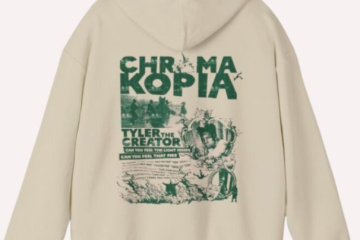
The Chromakopia period is a significant turning point in combining art and eco-friendly fashion. In particular, Chromakopia merchandise, including hoodies and tour merch, perfectly reflects Tyler the Creator’s transformation as an artist and a supporter of the environment. This whole collection of the chromakopia hoodie is more than just wearing it; it becomes an art piece on the body created with high-quality, eco-friendly fabrics and eco-friendly processes. The limitation of the tyler the creator chromakopia merch to a few pieces has not only made them exclusive but also contributed significantly to the reduction of overproduction which is a major cause of wastage in the fashion industry. The clothing is decorated with striking geometrical patterns, affluent textures, and high-quality workmanship, guaranteeing durable use. This aesthetic sustainability appeals greatly to the fans who support and appreciate the genuine creativity that comes with the environmental care, thus showing that the love for music and beauty can lead to the simultaneous nurturing of cultural and ecological stewardship.
Eco-Friendly Production & Ethical Choices
The future of sustainable streetwear is tightly woven with new materials and ethical production practices. Using eco-friendly fabrics such as organic cotton, recycled polyester, hemp, and TENCEL™ Lyocell has significantly lessened the impact on nature than traditional fabrics. Such materials are often used in Tyler the Creator hoodies and the call me if you get lost shirt, which further emphasises the slow fashion’s focus on durability instead of mass production. On the other hand, ethical labour practices play a major role in making the sustainability of streetwear brands collaborating with factories that provide fair wages and safe conditions for the workers. Adopting this model, termed true sustainability, involves caring for both the planet and the people. The likes of Tyler the Creator, being influential artists, are the ones to push these changes through their active advocacy for responsible production in their merchandise. The cultural reach of their influence is such that consumer expectation is shifted towards the quality of stewardship and transparency, which, in turn, encourages the industry to prioritise stylish and responsible production.
The Future of Sustainable Streetwear
Sustainable streetwear will be great in the future, with more eco-friendly practices being adopted everywhere. Artists and sustainable brands will collaborate more and more, as per the prediction of the industry experts, thereby increasing the reach of green fashion. The resale and rental markets are booming, giving consumers the chance to have limited drops such as exclusive Tyler the Creator merch, while at the same time, the garment’s life cycle is being prolonged. Digital sampling in the design process is one of the innovations that has drastically cut down on fabric waste, while the use of renewable energy in the different parts of the supply chain is also on the rise. The fashion leaders put together eco-friendlier materials, circular economy models where garments are reused or recycled, and transparent sustainability reporting to build trust as they put forth the shift. This whole change is a future possibility where creativity and conscious consumerism go hand in hand, resulting in the creation of streetwear that is not only stylish but also responsible.
Conclusion
Sustainable fashion is opening a new chapter in streetwear, and it is doing so in a very colourful way by combining the three elements of creativity, culture, and ecological awareness into the very fabric of the clothing that narrates a story that goes beyond the mere beauty of the garment. Tyler the Creator’s influence through the Chromakopia merch and the Call Me If You Get Lost shirt perfectly represents the artist’s role in the fashion industry through responsible design that draws attention and gets noticed. The choice of the industry to focus on quality rather than quantity will only be a positive thing that will lead to the emergence of a fashion industry that respects both humans and nature. The fans of eco-friendly streetwear will not only be a part of the future of fashion that is green and real, but will also be the ones who help create a legacy of style that is together with ethics.
Frequently Asked Questions (FAQs)
1.Why is streetwear sustainable?
The trend of sustainable streetwear is centered around using environmentally-friendly materials, ethically-sourced labor, and designs with durability in mind rather than looking at the current trend of fast fashion. It also promotes minimal production to minimize waste and tolerates the circular designs such as resale and recycling.
2. What can Tyler the Creator do to make fashion sustainable?
Tyler the Creator incorporates the concept of sustainability by utilising high-quality and durable goods in his merchandise, such as Chromakopia merchandise and Call Me If You Get Lost shirts. The scarcity of his drops and his artsy style curb waste and contribute to long-term use, which will help redefine consumer behaviour.
3. What is the significance of sustainable fashion in street culture?
The implication of streetwear among young people makes it an essential medium that could be used to encourage eco-consciousness. Sustainability can assist in mitigating fashion’s negative environmental impact, yet provides the opportunity to express oneself and be trendsetters that streetwear enthusiasts value.
4. What are some of the materials that are usually utilised in sustainable streetwear?
Common sustainable materials are organic cotton, recycled polyester, hemp, and TENCELtm Lyocell. These fabrics are eco-friendly because they use less water, energy, or chemicals than conventional textiles.
5. What can consumers do to achieve sustainable streetwear?
The consumers can contribute to this trend by opting to purchase quality items instead of fast fashion, purchasing brands that have transparent and ethical businesses, engaging in resale markets, and maintaining their garments so as to prolong their lifespan.